Guide
Bird Dogging in Real Estate
Bird dogging is usually a lead-finding role inside an investor ecosystem. The most useful bird-dogging workflows are structured, market-specific, and tied to buyers or operators who know exactly what they want, rather than vague arrangements where nobody agrees on what counts as a good lead.
7 days free, then $39/mo • Love it or cancel in 2 clicks. No calls.
Definition
Bird dogging generally means finding potential deals or lead opportunities for an investor and getting compensated when those leads produce value.
In practice, bird dogging works best when the lead criteria are specific, the target buyer or operator is clear, and the handoff process is organized. Loose expectations tend to produce noise instead of useful deal flow.
How It Works
- Define the investor's exact market, property, and lead criteria.
- Use scouting, search, or list-building tools to identify potential opportunities.
- Organize the findings so the receiving investor can review them efficiently.
- Focus on high-fit leads instead of trying to submit everything that looks remotely interesting.
The best bird-dogging systems reward clarity and consistency more than raw volume.
When to Use It
- When a buyer or investor has a clearly defined buy box
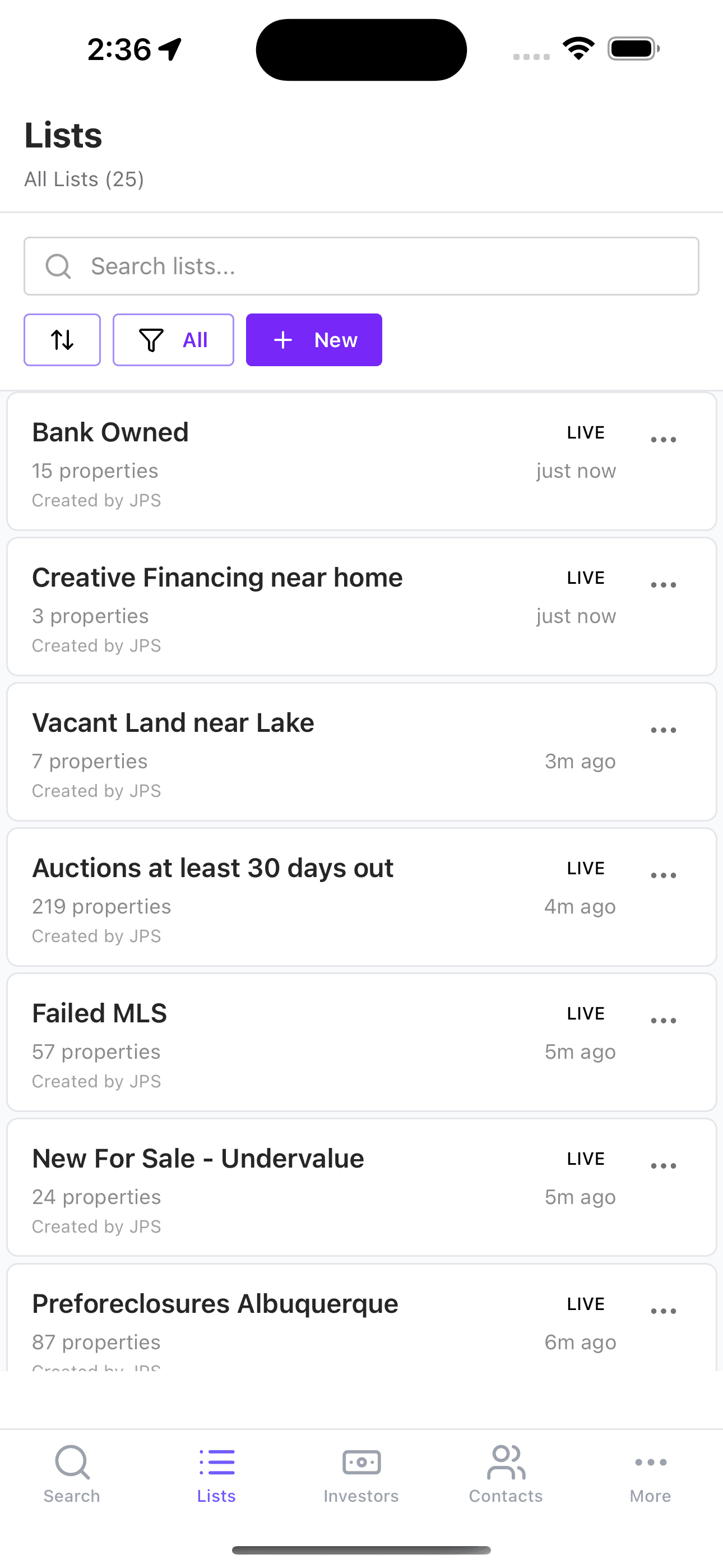
- When a scout or lead finder needs tools to organize opportunities systematically
- When you want a workflow for submitting better leads instead of more leads
- When market knowledge and local fit matter more than broad list volume
Workflow or Example
A practical bird-dogging workflow might combine neighborhood scouting, market filters, and a buyer-side understanding of what actually closes. If the investor wants older single-family homes in a specific price band and geography, the bird dog should be working that exact pattern instead of guessing.
The stronger the buy box, the better the bird-dogging workflow tends to perform.
Pros
- • Can help investors surface opportunities outside ordinary channels
- • Works well when lead criteria are narrow and well understood
- • Useful for scouts who know a local market or niche well
- • Pairs naturally with buyer research and off-market workflows
Cons
- • Loose criteria often create low-quality submissions
- • Lead-finding still needs organization and follow-up
- • The workflow depends heavily on the receiving investor's clarity
Risks
- • Misaligned expectations can waste time for everyone involved
- • A lead is not automatically a deal
- • Investors should handle compensation and compliance questions carefully
Step-by-Step Workflow
Step 1
Clarify the buy box
Make sure the receiving investor's market, property type, and decision criteria are specific.
Step 2
Find leads that actually match
Use search, scouting, and local knowledge to surface only the opportunities that fit.
Step 3
Package the lead clearly
Organize the relevant property and context details so the investor can review quickly.
Step 4
Improve based on feedback
The workflow gets stronger when you learn which leads were high-fit and which were not.
Screenshots
Frequently Asked Questions
What does a bird dog do in real estate?
Usually they find and pass along lead opportunities that fit an investor's criteria, rather than underwriting or closing every deal themselves.
What makes bird dogging effective?
Clear buy-box criteria, local context, and a strong handoff process usually matter more than raw lead count.
Can bird dogging connect with buyer research?
Yes. Knowing what local investors actually buy can make lead-finding much more targeted.
Related Pages
Feature
Cash Buyer Search
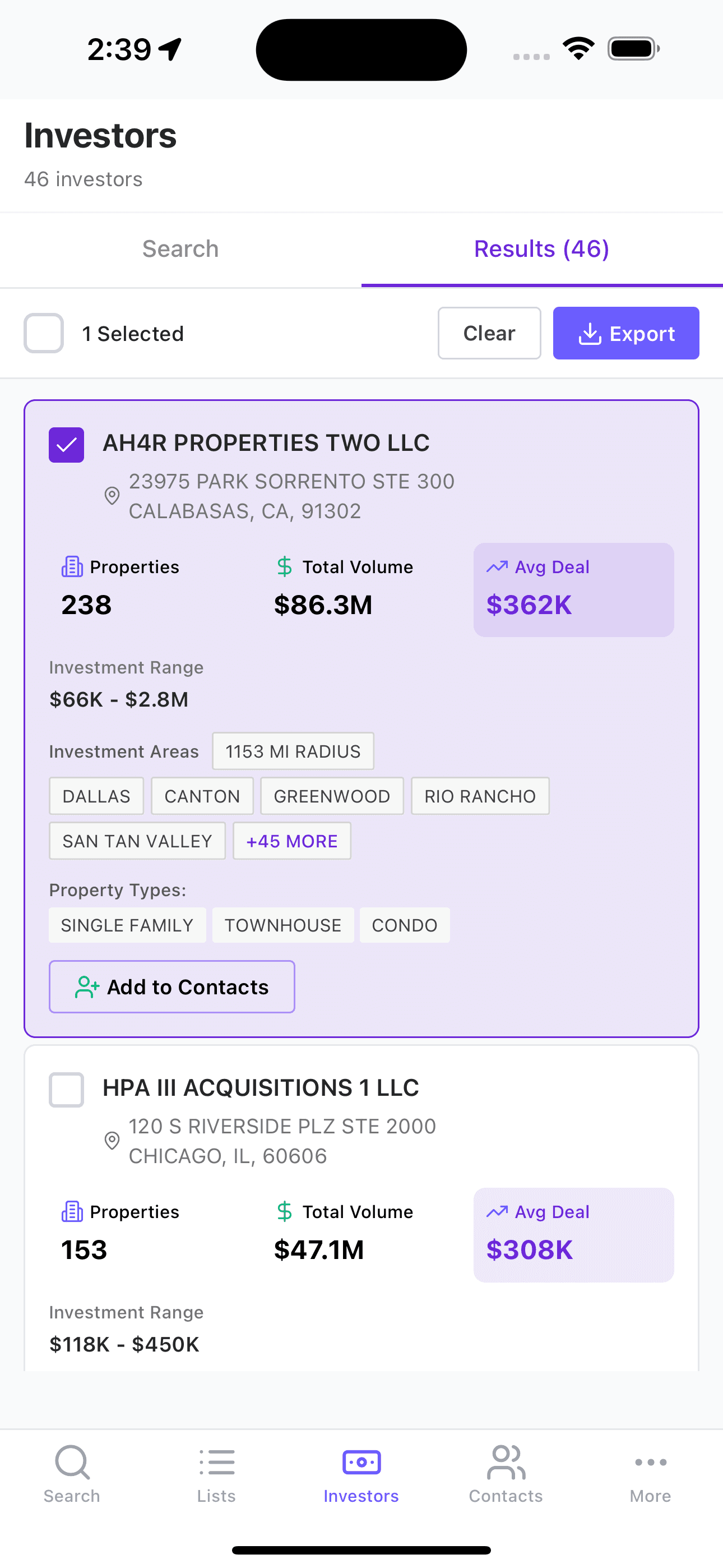
Use JustPropertySearch cash buyer search to find active investors, study buyer patterns, and build a stronger disposition or networking workflow.
Guide
Driving for Dollars for Real Estate Investors
Learn how to build a repeatable driving-for-dollars workflow with JustPropertySearch, from neighborhood selection to property review, list building, and follow-up.
Guide
How to Find Off-Market Properties
Learn how investors use JustPropertySearch to find off-market properties by combining filters, preforeclosure research, virtual driving for dollars, and ongoing list monitoring.
Ready to put this to work?
Start a free trial and run it on your own markets in minutes.
7 days free, then $39/mo • Love it or cancel in 2 clicks. No calls.