Guide
Driving for Dollars for Real Estate Investors
Driving for dollars works best when it is treated as a disciplined property-scouting workflow, not random windshield prospecting. Investors usually get better results by choosing the right neighborhoods, spotting patterns that fit their strategy, tying addresses back to records, and converting the best finds into an actual follow-up system.
7 days free, then $39/mo • Love it or cancel in 2 clicks. No calls.
Definition
Driving for dollars is a sourcing method where investors scout neighborhoods for visual signs that a property may deserve closer attention. Those signs can include deferred maintenance, vacancy clues, or general neglect.
The strongest investors do not stop at noticing a property. They connect the visual observation to ownership, market fit, and next-step follow-up.
How It Works
- Choose neighborhoods that match your strategy and exit criteria.
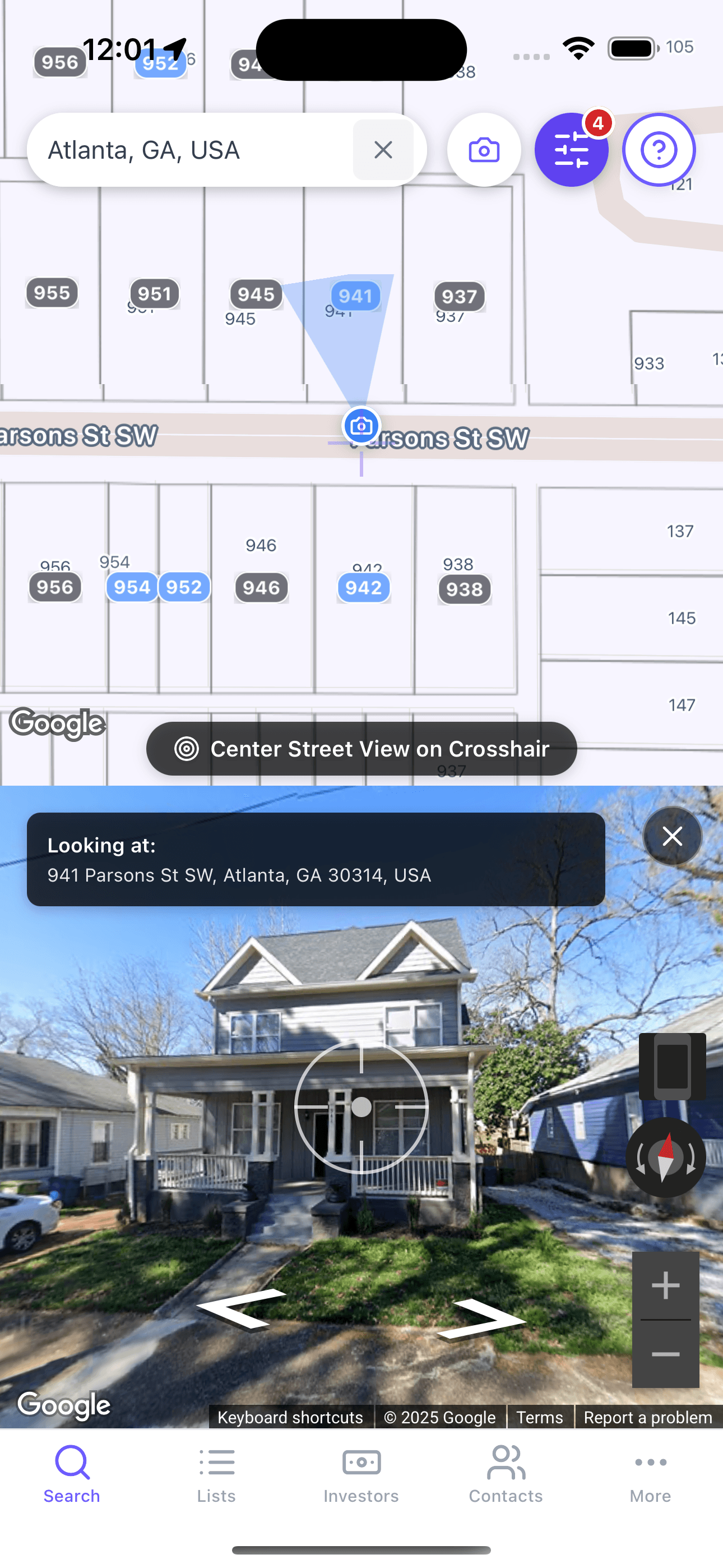
- Scout visually, either in person or with a virtual workflow.
- Match promising addresses to property records and owner context.
- Save the strongest opportunities into a list or outreach workflow.
- Follow up consistently instead of treating the addresses as one-off notes.
The method works best when driving for dollars is one part of a broader sourcing system.
When to Use It
- When local visual context matters to your sourcing strategy
- When you want to discover properties that may not stand out in a filter alone
- When you are narrowing within neighborhoods you already know reasonably well
- When you have a plan for what happens after an address is spotted
Workflow or Example
One practical workflow is to choose a small set of neighborhoods, scan for visually promising properties, identify the exact parcels, then apply ownership or distress filters before deciding which addresses deserve outreach.
That approach usually outperforms simply collecting every distressed-looking house you see.
Pros
- • Adds neighborhood-level visual context to your sourcing workflow
- • Can surface opportunities that do not stand out in raw data alone
- • Works well with list building and owner research
- • Useful for investors who know how to prioritize local patterns
Cons
- • Takes discipline to avoid collecting low-fit addresses
- • Visual signals alone can be misleading
- • The workflow still needs record matching and follow-up
Risks
- • Scouting the wrong neighborhoods can waste a lot of time
- • Deferred maintenance does not always equal seller intent
- • Without a follow-up system, the addresses rarely turn into outcomes
Step-by-Step Workflow
Step 1
Pick neighborhoods intentionally
Start where your strategy and local knowledge already give you some edge.
Step 2
Spot properties with a purpose
Look for signs that matter to your acquisition model instead of collecting every rough-looking house.
Step 3
Match the address to the record
Tie the visual observation back to the actual property and owner data before acting.
Step 4
Push the strongest leads forward
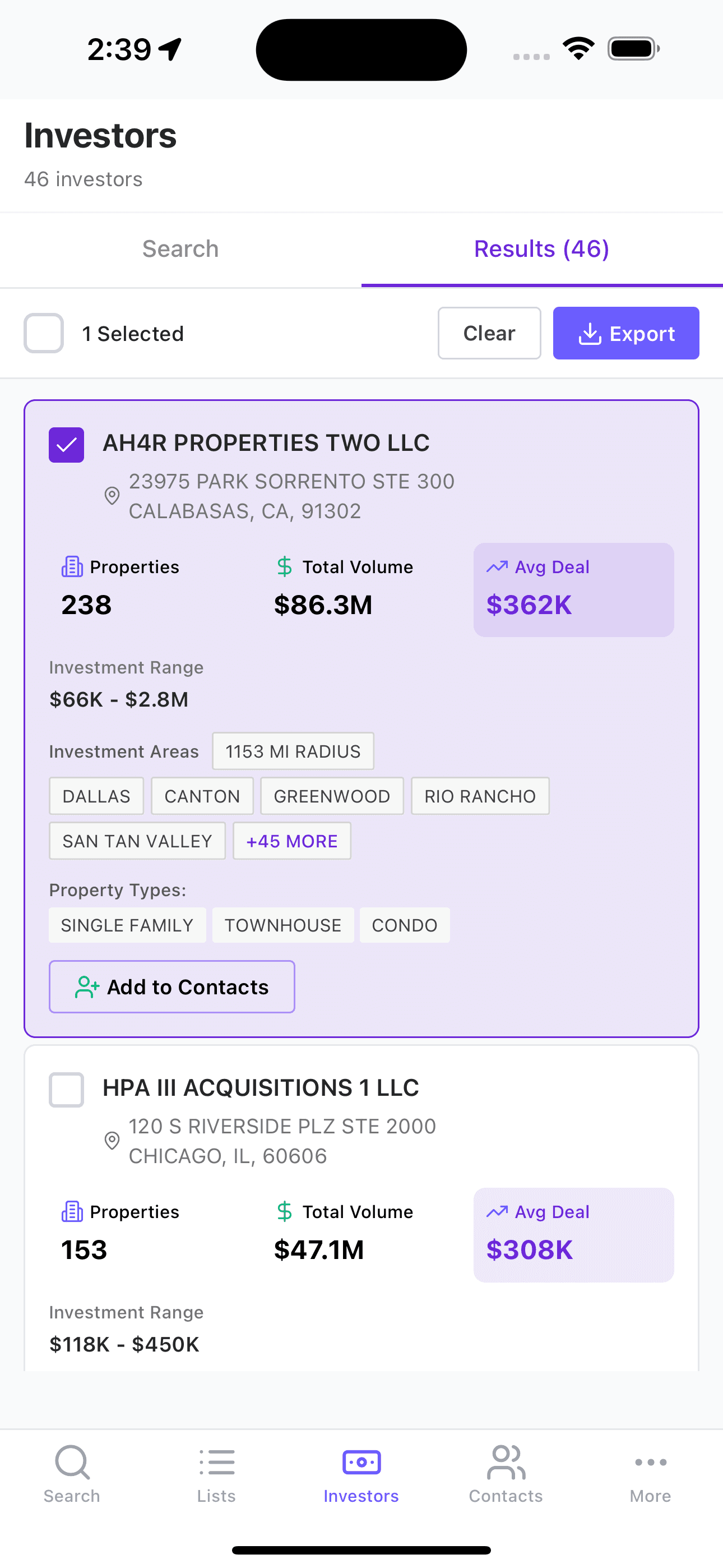
Use lists, skip tracing, and follow-up workflows to operate on the addresses that truly fit.
Screenshots
Frequently Asked Questions
Does driving for dollars still work?
It can, especially when investors use it selectively and connect the spotted properties to a repeatable follow-up workflow.
Is virtual driving for dollars enough on its own?
Usually not. It is most useful when combined with property records, ownership context, and a decision process.
What should I do after I spot a property?
Identify the exact record, validate fit, and move the best opportunities into your list-building and outreach workflow.
Related Pages
Feature
Virtual Driving for Dollars
Use JustPropertySearch Virtual Driving for Dollars to scan neighborhoods remotely, identify properties from Street View, and move promising addresses into your investor workflow.
Feature
Skip Tracing
Use JustPropertySearch skip tracing to move from property research into owner contact workflows with better prioritization and list quality.
Guide
How to Find Off-Market Properties
Learn how investors use JustPropertySearch to find off-market properties by combining filters, preforeclosure research, virtual driving for dollars, and ongoing list monitoring.
Ready to put this to work?
Start a free trial and run it on your own markets in minutes.
7 days free, then $39/mo • Love it or cancel in 2 clicks. No calls.